Thursday, November 17, 2022

Five very different approaches to playing in the plant-based space. Is one of them right for you?


Photo source: Noodle bowl featuring UPSIDE Chicken

This week something big went down in the U.S. food system. In case you missed the announcement, as it is not directly dairy related, UPSIDE Foods became the first company in the world to receive a “No Questions” letter from FDA for cultivated meat, poultry or seafood. 

The FDA released a MEMO detailing the agency’s review of the data and information provided by UPSIDE Foods to establish the safety of its cultivated chicken filet. If you are a food science geek like me, it’s an interesting read. You can access it HERE.

This letter indicates that FDA accepts UPSIDE’s conclusion that its cultivated chicken is safe to eat. This historic step paves the way for the company’s path to market in the U.S. and brings cultivated chicken one step closer to consumers’ plates. 


“This is a watershed moment in the history of food,” said Uma Valeti, CEO and founder of UPSIDE Foods. This milestone marks a major step towards a new era in meat production, and I’m thrilled that U.S. consumers will soon have the chance to eat delicious meat that’s grown directly from animal cells.”

In the U.S., cultivated meat is regulated by both FDA and USDA. Having received a “No Questions” letter from FDA, UPSIDE Foods will now work with USDA’s Food Safety and Inspection Service to secure the remaining approvals that are required before the company’s cultivated chicken can be sold to consumers. 

Here’s what you need to know. UPSIDE Foods grows meat, poultry and seafood directly from animal cells. These products are not vegan or vegetarian, but they are said to be planet friendly. It is projected that cultivated meat production, at scale, will use less water and land than conventionally produced meat. And, because it’s made in a controlled environment subject to high standards of testing for safety and quality control, it has the potential to help reduce the risk of harmful bacterial contamination, according to the company. 


Cultivated meat is a close relative to precision fermentation of dairy. While both have a place in the U.S. food system to feed the burgeoning population, remember, these products are not vegan. They start from animal cells…and frankly, if I think about it too much, it creeps me out. But without a doubt, there is a need for these alternative forms of high-quality protein. 

There is also a need for plant proteins. Here are five very different recent entries into the plant-based dairy sector that are worth your time to explore. Let me tell you why. 

1. While Kraft Heinz Co., sold off most of its cheese brands, it still owns Philadelphia. And now that Philadelphia brand can be found in the U.S. on what it calls “Plant-Based Original.” The top-three ingredients in the non-dairy spread are coconut oil, modified potato starch and fava bean protein.

Back in the day—let’s say around 1992—when I worked at Kraft and was directed to make fat-free natural cheese, I remember when marketing finally believed the prototypes were “good enough” to commercialize. The brand had to get out there because the competition—namely ConAgra with its Healthy Choice fat-free cheeses—was in nationwide distribution.

While the Kraft brand still offers fat-free cheeses made with refined, improved processes that originated in the 1990s, Healthy Choice got out of cheese within a few years. Why does this matter? I do not believe Kraft Heinz would jeopardize the Philadelphia brand if it did not feel that the product was at parity or better than the competition. While it may be a work in progress, the brand knows it needs to be out there. What does that mean for other brands, they better make sure their product can stand up to Philadelphia or else…

2. Then there’s the new Baby Bel plant-based snacks. Water is the first ingredient, followed by modified food starch and coconut oil. One snack contains 50 calories, 4 grams of fat and no protein. This product’s primary competition is its like-branded dairy counterpart. While relatively tasteless, someone can do better by getting some protein into the product. There’s room for improvement and I’m sure it is being worked on. Looking forward to trying it out.   

3. There’s one more cheese to discuss. GOOD PLANeT Foods is embracing the limited-edition, seasonal flavor trend with its cheese alternatives. Very smart! It’s a great entry point for consumers to the brand. The holiday flavor is White Cheddar and Cranberry and comes in Snackable Wedges and Smoked Wheels. However, there’s not much nutrition to speak of here either. Filtered water is the first ingredient, followed by coconut oil, sunflower oil and modified food starch. Chickpea protein is part of the formulation, but not enough to even register a gram per serving. 
What make this product different than the Baby Bel product is that it’s a seasonal flavor. Most consumers are not thinking about protein content when grazing on a cheese board. 

“Consumers are looking for new ways to enjoy plant-based foods, and these festive, seasonal flavors provide this,” said Bart Adlam, co-CEO at GOOD PLANeT Foods. “We will continue to create unique offerings that bring the joy of cheese to all.”

To play in the plant-based cheese space, my suggestion is to not try to mimic what’s already established, unless it’s darn good. The smarter option, in my opinion, is to offer it in a new format or a limited-edition flavor. 

4. I am the biggest fan of limited-edition and seasonal products. They create an urgency to purchase. It is an important space to play in and a great entry point into plant-based products. 
Califia Farms added Pumpkin Spice Oat Barista to its fall fluid lineup, joining returning seasonal favorites Pumpkin Spice Latte and Pumpkin Spice Almondmilk Creamer.

“We’re thrilled to introduce our new Pumpkin Spice Oat Barista, which gives oat milk fans an easy way to froth up their favorite seasonal oat lattes at home,” said Suzanne Ginestro, chief marketing officer at Califia Farms. “With the launch of Pumpkin Spice Oat Barista, Califia brings yet another reason to celebrate the season with a full variety of yummy plant-based options to make all types of seasonal coffee-house drinks at home.”


5. Let’s end with my thoughts on frozen desserts. Accolades go out to the 100% plant-based, flavor-forward global food brand Wicked Kitchen. The company recently launched a plant-based collection of ice creams and novelties made with the lupini bean, a first-to-market product in the U.S. Founded by chefs and brothers Derek Sarno and Chad Sarno, Wicked Kitchen helped ignite the plant-based movement in the U.K., the number-one vegan market globally.

The pint-size ice creams come in four flavors: Chocolate, Cookie Dough, Mint Chocolate Chip and Vanilla. The novelties include Berry White Sticks, which is sweet vanilla plant-based ice cream with a berry sauce swirl and white-chocolate flavored coating with red berry pieces. The Chocolate Almond Sticks are sweet vanilla plant-based ice cream with toasted almond pieces and a chocolate-flavored coating. Chocolate Red Berry Cones feature sweet vanilla plant-based ice cream with red berry sauce and chocolate chips in a gluten-free maize cone. The frozen treats join the brand’s more than 200 products across 15 categories.

Why accolades to Wicked Kitchen? Because it established itself as a brand and sat back and waited to develop a consumer base in the U.S., at the same time it perfected its frozen dessert formula. 

Five very different approaches to playing in the plant-based space. Is one of them right for you?


Friday, November 11, 2022

HELP WANTED: It’s time to revisit DIAAS in protein quality measurement.


 Can we please prioritize switching to the Digestible Indispensable Amino Acid Score (DIAAS) to measure protein quality and then communicate that info to consumers when we share with them the vital role of ruminant animals to soil health? 

Yes, that’s a mouthful, but it needed to be said. Climate change, soil health, feeding the growing population…it seems that so many are working on these issues, but not bringing them full circle. Hold onto to your seats while you read how switching to DIAAS to measure protein quality will be a win-win for the dairy industry. 

Here we go. The fact is we need ruminant animals, such as cows, for healthy soil and to convert plants that humans cannot eat into highly nutritious foods that we can. Think milk and steak. 

The fact is that two-thirds of global agriculture land is not suitable for growing crops that humans can digest for energy and nutrition. But these lands are suitable for growing grasses and similar plants that ruminant animals consume. These plants are basically sources of cellulose. In fact, half of all organic carbon on earth is tied up in cellulose. Humans are not able to use this carbon for energy. Ruminants can, and they do so very efficiently. 

Ruminants digest cellulose and convert it into foods that humans can eat. They make all of that organic carbon that cannot be digested by humans available to humans in the form of high-quality protein, essential fatty acids such as omega-3s and conjugated linoleic acid, and an array of other nutrients. Milk, for example, provides calcium, potassium, phosphorus, protein, vitamins A, B2, B3 and B12. 



Think about a stalk of corn, which provides two to three cobs. Humans can only digest the kernels, and for that matter, not even all of the kernel. The fibrous outer shells of corn kernels pass through the gastrointestinal system undigested due to lack of the necessary digestive enzyme. The rest of that corn plant is useless to humans for energy; however, it’s a meal for ruminant animals such as cows. Cows effectively convert the nutrients in that stalk, husk and cob to meat and milk for human consumption. 

This is why we need ruminant animals to feed the projected 9.7 billion humans who will inhabit earth in 2050.
Ruminant animals also provide manure to fertilize crops and help build healthy soil for crops to grow. While ruminants are a source of greenhouse gas (GHG), the industry is doing so much in this space that many are confident that with appropriate regenerative crop and grazing management, ruminants will not only reduce overall GHG emissions, but also facilitate provision of essential ecosystem services, increase soil carbon sequestration and reduce environmental damage. That’s another mouthful. 

And then, after all that, ruminant animals feed us the highest-quality protein available. Yet, current U.S. regulations prevent marketers from communicating this information.   

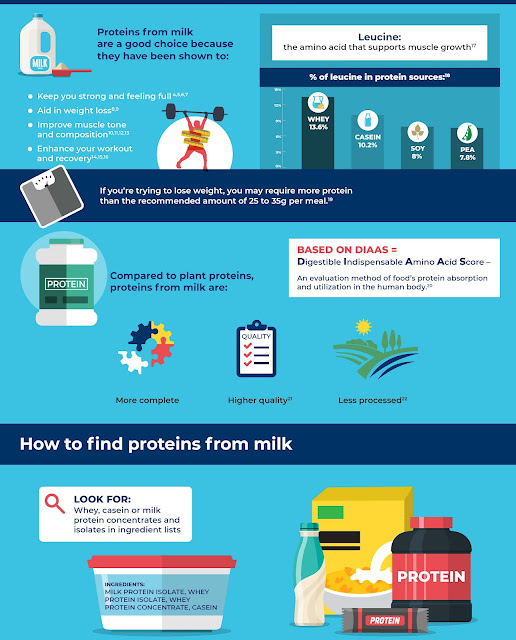
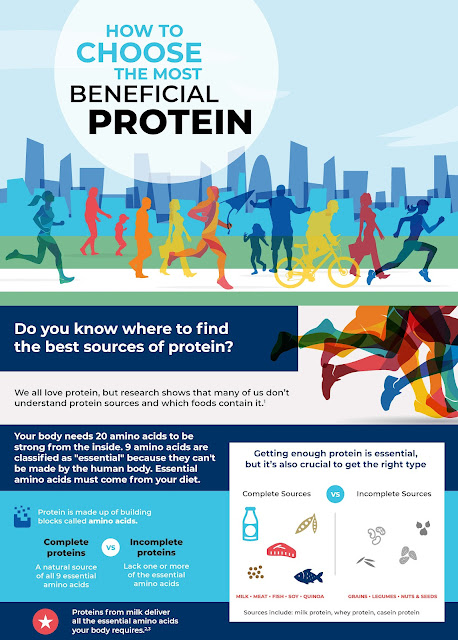
It’s been almost 10 years since a report from the Expert Consultation of the Food and Agriculture Organization of United Nations (FAO) recommended a new, advanced method for assessing the quality of dietary proteins. It’s the DIAAS. This analysis enables the differentiation of protein sources by their ability to supply amino acids for use by the human body. The new method demonstrates the higher bioavailability of dairy proteins when compared to plant-based protein sources.  

Data in the FAO report showed whole milk powder to have a DIAAS score of 1.22, far superior to the DIAAS score of 0.64 for peas and 0.40 for wheat. When compared to the highest refined soy isolate, dairy protein DIAAS scores were 10% to 30% higher. 

Dairy proteins have an exceptionally high DIAAS score because of the presence of branched-chain amino acids, which help stimulate muscle protein synthesis. Each dairy protein has more branched-chain amino acids than egg, meat, soy and wheat proteins. Whey protein, specifically, is seen as higher quality because of the presence of leucine, a branched-chain amino acid accountable for muscle synthesis. 

Currently the Protein Digestibility Corrected Amino Acid Score is used to assess of protein quality. This does not demonstrate dairy protein’s superiority. This information is very important for feeding that growing population. The answer is not plants, or at least not plants alone. 

“As headlines proliferate around the need to supply protein to an ever-growing global population, the common argument has emerged that people around the world are already consuming more than they need,” according to Paul Moughan, distinguished professor at Massey University and Riddet Institute Fellow Laureate. “While this may indeed be true in terms of total protein, it is unfortunately not the case when it comes to their intake of available protein. For example, a child in India consuming a diet that is heavily based on cereals and root crops, may be getting plenty of protein containing foods, but they could still be heavily deficient in available protein and key amino acids. This deficiency can lead to stunted growth during childhood and result in them never fulfilling their true potential.” 

Riddet Institute led a research program known as Proteos that is addressing the supply of protein for human diets. Proteos is funded by a consortium of commercial food organizations through the Global Dairy Platform. 

The first stage of Proteos has been completed. This was a collaboration between the Riddet Institute in New Zealand, Wageningen University in The Netherlands, the University of Illinois Urbana-Champaign and AgroParisTech in France. The researchers developed, standardized and validated methods based on the growing population to determine the digestibility of amino acids for human foods. The methods were applied in different laboratories in different parts of the world and achieved consistent results, according to Dr. Moughan.

They are now working with Wageningen University and the University of Illinois to examine the digestibility of numerous protein sources in a form as consumed by humans using DIAAS. An openly available global database of protein quality will be constructed, including 100 different protein sources. These protein sources will be from a large range of different protein types, including protein sources commonly consumed in developing countries.

Dairy proteins are expected to lead the list. 

Now, let’s back track just a minute to address the GHG emissions issue with ruminant animals. There’s a lot going on in this space, and imagine if everything came together at the same time…and sooner than later.


In 2008, U.S. dairy was the first in the food agricultural sector to conduct a full-life cycle assessment at a national level. The Fluid Milk Carbon Footprint Study was published in 2010 and showed that U.S. dairy contributes 2% of all U.S. GHG emissions. As of 2007, producing a gallon of milk uses 90% less land and 65% less water, with a 63% smaller carbon footprint than in 1944. Thanks to increasingly modern and innovative dairy farming practices, the environmental impact of producing a gallon of milk in 2017 shrunk significantly, requiring 30% less water, 21% less land and a 19% smaller carbon footprint than it did in 2007. That’s the same as the amount of carbon dioxide removed from the atmosphere by half a million acres of U.S. forest.

At Transform Food USA 2022/Transform Supply Chains USA 2022, a conference organized by Reuters Events and held Nov. 1-2 in Chicago, I met with Dr. Greg Thoma, associate professor with Colorado State University’s AgNext program. He is the author of the Fluid Milk Carbon Footprint Study. (At the time of the study, Dr. Thoma, a chemical engineer, was with University of Arkansas’ Applied Sustainability Center.) 

Highlights from the Transform meeting can be found in an article titled “Prioritizing production key to creating sustainable solutions,” which I wrote for Food Business News. Link HERE.

There was a great deal of conversation at the Transform meeting regarding soil health and the need to put the farmer first. There’s was discussion on improving the breeding of food crops, e.g., soybeans with higher protein content, as well as indoor farming and regenerative agriculture practices. 

Dr. Thoma explained that the carbon footprint study was a significant first step in the dairy industry’s effort to measure and improve its environmental performance. More efforts are underway. 

AgNext, for example, recently installed what it calls “climate smart research feeding pens,” which allows for evaluation of dietary and management strategies that impact cattle GHG emissions. The portable feeding stations measure emissions while the animal eats. In the case of AgNext’s cattle, these machines dispense a feed treat (alfalfa pellets) to draw the cattle’s attention. Once drawn to the treat, the animal will eat and stand still for emissions to be measured for three to five minutes. Gasses, including carbon dioxide, methane, hydrogen and oxygen, are measured in real time. 

“These feedlot pens allow for data replication to determine scalability of solutions,” said Dr. Thoma. 
That scalability will enable farmers to implement regenerative agriculture initiatives and quantify the benefits. This may lead to the production of climate-conscious foods and ingredients. Marketers can share this data with consumers, who then can feel that their purchase is making a difference. 

Now, it’s been a little more than a year from when “Pathways to Dairy Net Zero” was launched. This climate initiative demonstrates the global dairy sector’s commitment to reducing GHG emissions while continuing to produce nutritious foods for six billion people and provide for the livelihoods of one billion people.

Initial research found that the dairy sector already has the means to reduce a significant proportion of emissions--up to 40% in some systems--by improving productivity and resource use efficiency. Researchers are identifying plausible GHG mitigation pathways for different dairy systems globally, in particular methane reduction. 

In the U.S., the Innovation Center for U.S. Dairy has its Net Zero Initiative, an industry-wide effort that commenced in 2020 and is helping U.S. dairy farms of all sizes and geographies implement new technologies and adopt economically viable practices. The initiative is a critical component of U.S. dairy’s environmental stewardship goals, endorsed by dairy industry leaders and farmers, to achieve carbon neutrality, optimized water usage and improved water quality by 2050.

“The U.S. dairy community has been working together to provide the world with responsibly produced, nutritious dairy foods,” said Mike Haddad, chairman, Innovation Center for U.S. Dairy. “With the entire dairy community at the table--from farmers and cooperatives to processors, household brands and retailers--we’re leveraging U.S. dairy’s innovation, diversity and scale to drive continued environmental progress and create a more sustainable planet for future generations.”

It takes a united team. That’s us! 


Friday, November 4, 2022

Driving Consumption of Dairy Includes Innovating for New Occasions


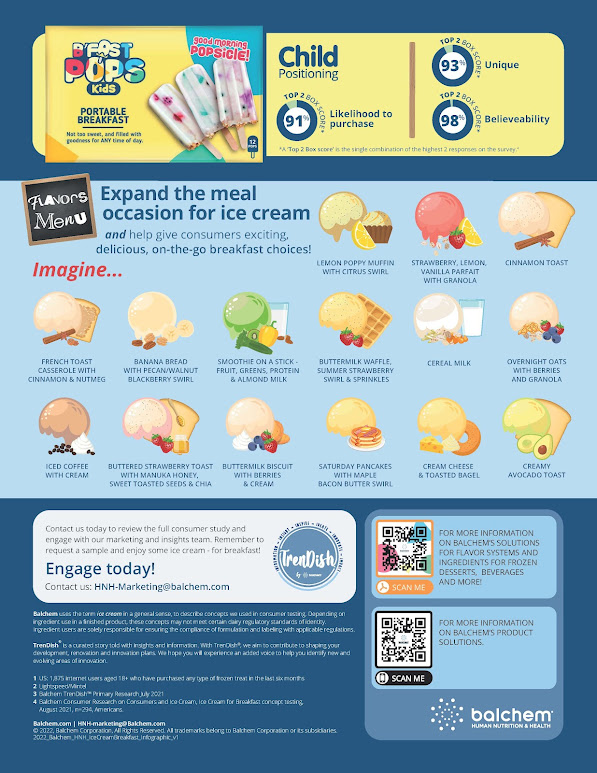
Driving consumption of dairy foods—nutrition powerhouses—is why most of you read this blog. One of the best ways to accomplish this is through innovation, but not just a new flavor or new package size. It’s about creating new use occasions and solving a consumer need. Why not ice cream for breakfast? (For ideas, scroll to the end or link banner and request more information.)


This past Wednesday I judged the in-person 4th Annual Real California Milk Excelerator. The “Open Innovation” Final Pitch Event included eight innovators who presented their already in-market products to eight judges. All eight were winners to make it this far. Congrats! But there were four that stood out as businesses that will help drive growth of dairy, specifically California dairy. All products in the competition must contain at least 50% of a cow’s milk-based product/ingredient.

The eight companies participated in a 10-week program where they had access to resources, customized mentorship and a stipend to cover costs associated with producing, developing, and fine-tuning their products and business plans. The four winners from Wednesday night each received $50,000. These funds are to help develop and/or expand their business, including sourcing dairy from and producing their products in California. They also have access to an exclusive Retailer and Investor event (held virtually) to generate business leads and investment opportunities. A grand prize of $100,000 will be offered to a single product with the most sales and potential one year from the live pitch event. This grand prize will be delivered in the form of marketing support to help accelerate the winner’s product and business in California. 

The four companies moving into this final phase of the Excelerator are Dosa by Dosa, Pariva, Tres Lecheria and Wheyward Spirit. (Winners pictured above.)

Dosa by Dosa is a line of spice-forward lassi drinks. The four varieties contain up to 13 grams of protein and less than 8 grams of added sugar per 8-ounce bottle. With billions of probiotics per serving, this 100% natural, lactose-free, gluten-free snack, rich in calcium, vitamin B12, and vitamin A helps maintain good gut health. Varieties are Cardamom Mango, Cayenne Tamarind, Turmeric Banana and Peppercorn Berry. 

Pariva Marinated Yogurt Bites are similar to labneh, a popular Mediterranean and Middle Eastern yogurt spread that is often topped with olive oil. Pariva is crafted by straining whole cow’s milk yogurt before being formed into bite-sized balls. These balls are immersed in heart-healthy oils with herbs and spices where they subtly absorb the mélange of flavors in the jar while allowing the tanginess of the yogurt to shine through. There are three varieties: Garlic & Rosemary, Tandoori and Za’atar.


Tres Lecheria is a bakery business specializing in Tres Leches cakes by the slice. Available in more than 10 flavors daily at its Seattle flagship store, the tres leches cake slices offer a unique alternative to ice cream and other cold desserts. Tres Lecheria is building its retail program that currently services 40-plus accounts between Washington and Oregon and has recently expanded in Southern California. The cakes are about 80% dairy, as they are made with three milks and whipped cream.

Wheyward Spirit is a specialty alcohol uniquely distilled to retain its distinctive dairy flavor. The company is repurposing excess whey to make this new spirit, which can be consumed in the same manner as vodka. During the fermentation process, yeast converts the sugar (lactose) from whey into alcohol. This product is then distilled. No lactose remains in the final product so it is completely lactose free. The spirit highlights whey’s naturally delicate and creamy characteristics and has a signature flavor of oaky vanilla cream and warm spice notes, rounded by a subtle pear aroma. Every bottle of Wheyward Spirit diverts food waste, adds value to local food chains and generates a lower carbon and water footprint than traditional grain-based spirits. (Wheyward Spirit was also the Audience Choice.)

“Real dairy provides a package of functional and practical benefits that’s hard to replicate. We’re seeing an increase in unique products that leverage these benefits emerging in the market,” said John Talbot, CEO of the CMAB. “With the Excelerator platforms we’ve established over the past four years, we will be able to support companies as they innovate and establish these products in the market.” 

For more information on the event, including access to the recording, link HERE.

And again, why not ice cream for breakfast? Scroll down for an infographic with ideas. Link on the banner and request more information from Balchem on expanding the meal occasion for ice cream. Think Lemon Poppy Seed with a Citrus Swirl, Buttermilk Biscuit with Berries and Cream, and even Avocado Toast. 


Friday, October 28, 2022

Healthy Balance: This is dairy’s sweet spot, especially ice cream!


Photo source: Jeni's Splendid


The Specialty Food Association (SFA) Trendspotter Panel has predicted what will be hot in specialty food for 2023. One of the categories is described as “Healthy Balance.”

“Consumers will seek more balance between their desire for health and sheer indulgence,” said Lindsay Leopold, a panel member. “Functional foods won’t suffer as a result. With interest in immunity, gut health, memory and so many other health components, manufacturers are introducing functional ingredients into products anywhere they can.”

Following stringent healthful routines can also be stressful and the past several years have jump started the need for joy. Look for overall well-being to take center stage, which includes making room for the desire to reward yourself for being so good. That’s where ice cream fits in. 

To read all nine trends that the Trendspotter Panel anticipates for 2023, link HERE.


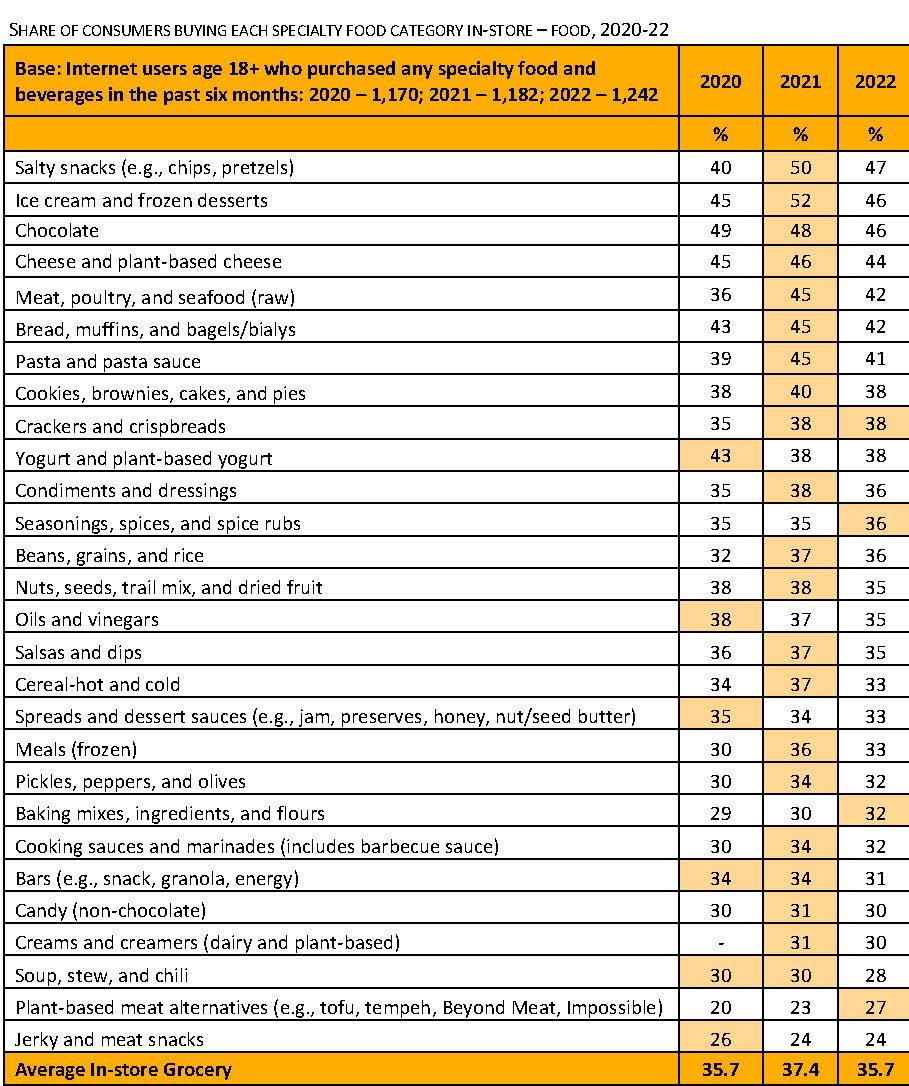
The SFA recently published “Today’s Specialty Food Consumer September 2022.” This online consumer survey suggests that one of the ways people “reward yourself for being so good” is with ice cream.  

This chart from SFA is a list of the specialty food categories that were most positively impacted by the COVID surge.  

Looking across 2020-22, 17 of the 28 foods are as high or higher than they started. This includes ice cream. 

The 2020 survey was in January (pre-pandemic) while the 2021 and 2022 surveys were in July of each year

According to the SFA, specialty products refer to food, beverages and confections that are of the highest grade, style, and/or quality in their respective categories. Their specialty nature derives from a combination of some or all of the following qualities, the common denominator of which is high quality: uniqueness, exotic origin, particular processing (and often an intentional lack thereof), design, limited supply, unusual application/use, compelling packaging or channel of distribution/sale.

Source: Specialty Food Association 

This translates to there being a great opportunity in ice cream innovation. It’s all about a healthy balance. Link HERE to explore recent frozen dessert innovations.

And today’s blog sponsor, Ingredion, is available to help. Link HERE to view a webinar on adding value to frozen desserts.  

Need some extra innovation inspiration? Tune in this Wednesday (November 2nd) for the Final Pitch Event of the Real California Milk Excelerator. I’m excited to join @californiamilkadvisoryboard and @venturefuel as a judge for this year’s event at Domenico Winery in San Carlos, CA. Join in to watch the cohort of eight emerging dairy products pitch for their shot at $200k of prizing. RSVP HERE to join in-person or to stream virtually.


It's Time to ASPIRE
Dairy Management Inc. (DMI) CEO Barbara O’Brien is modernizing the checkoff strategy with a fresh organizational structure and a new three-year plan and budget that delivers immediate results and lays ground for long-term benefits for farmers and importers. Go Barbara!

She spoke to more than 750 dairy farmers and industry representatives attending the 2022 joint annual meeting of the United Dairy Industry Association, National Dairy Promotion and Research Board and National Milk Producers Federation held outside of Denver, Oct. 25-26. 

The DMI priorities are based on the acronym ASPIRE: driving Action through Sustainability, People, Innovation, Reputation and Exports. Although they are not new areas of work, they provide a checkoff-wide framework for focus and shared outcomes, said O’Brien, who was named CEO in October 2021. She said the priorities are based on feedback she gathered from farmers and other industry leaders during her first 100 days leading DMI.

O’Brien translated farmer guidance into imperatives for the 2023-25 unified plan, which allows the checkoff to adapt to marketplace unknowns and evolving consumer expectations, including:
  • Reduced complexity with more focused programming – doing more with less
  • Clearly defined outcomes and accountabilities
  • A focus on projects that drive the biggest impacts for dairy 
  • Strategies that work with and through the value chain and other partners for added impact

Dairy A Powerhouse Category
Despite the complexity of a fast-changing world, O’Brien said the future for U.S. dairy is strong and used data points to support her claim including recent USDA per-capita consumption totals of 667 pounds, a 15-pound increase from 2019. She said 96% of U.S. households contain dairy in some form and over the last two years, dairy’s been the top edible aisle at retail, outpacing snacks, carbonated soft drinks, sport and energy drinks and meat. She also pointed to the checkoff-founded U.S. Dairy Export Council’s success in helping to find international destinations for about 18% of U.S. milk production.

“Customers and consumers around the world are voting with their dollars to include dairy foods and beverages on their menus, as a key ingredient in their products, and in their homes,” O’Brien said.

She highlighted other checkoff bright spots from the year, including a new partnership with Raising Cane’s to address growth opportunities for chicken and cheese in the fast-growing QSR channel. O’Brien said there’s huge upside growth as there are roughly 3 billion chicken sandwiches produced by the top five U.S. chains every year, but about 2.3 billion of those are produced without a slice of cheese. Raising Cane’s is a popular destination for Gen Z consumers and the partnership also will focus on dairy-based beverages, sides and sauces.

Other 2022 highlights include:
  • Taco Bell introducing extensions of its line of Freeze products that use real dairy creamer and relaunching the Grilled Cheese Burrito, products created by dairy checkoff food scientists.
  • Assembling a team of social media influencers whose reach or followers exceeds any major traditional U.S. print or broadcast outlet. The efforts include sparking the recent butter board craze that included a TikTok video, which has generated millions of views.
  • A continued partnership with gaming and YouTube icon Jimmy Donaldson--aka MrBeast--who has more than 100 million followers and launched a contest that includes his observations of farm stewardship based on a recent farm visit.
  • Double-digit sales growth (18% over the last 52 weeks) for dairy on Amazon, which DMI has worked with for four years at no cost and continues to rely on checkoff experts for counsel in areas related to marketing and product insights.
  • The second-year launch of Undeniably Dairy’s “Reset Yourself with Dairy” campaign series targeted to Gen Z consumers. The work features humorous content appearing on Gen Z channels, which have generated more than 255 million views to help grow the relevance of dairy’s wellness benefits.
(Hmm, I think ice cream deserves some of the love.) 

Checkoff Investments Lay Ground for Next Decade
O’Brien said the checkoff plan includes “doubling down” in research with a renewed investment in health and wellness, product research and development and environmental science. This commitment resulted in a five-year collaboration with the renowned Mayo Clinic announced earlier this year that O’Brien said complements decades of research led by National Dairy Council.

The checkoff is working with Mayo’s scientists, physicians and others to conduct research focused on milkfat and dairy’s benefits related to chronic disease as well as exploring new claims opportunities around immunity, calm, energy and digestive health.

(Milkfat, there’s some of that ice cream love.)

Digital technology and data also play an increased role in the business, O’Brien said. The checkoff is digitizing its health and wellness science and bringing artificial intelligence and new social listening technology to marketing communications and media buying efforts.

Sustainability and farmers’ longtime commitment to environmental stewardship is another checkoff focus, O’Brien said. DMI’s work includes more than 140 on-farm research projects involving large-and small- scale operations to continue proof-building efforts. Continued third-party and partner investment includes more than $4 million in the Greener Cattle initiative, a multi-national study of the most promising interventions to reduce enteric emissions. And in addition to a $10 million investment from the Foundation for Food and Agriculture Research (FFAR), there’s another $13 million from partners in the Dairy Soil and Water Regeneration program focused on soil management practices and manure-based products.   

“This work is all about U.S. dairy as an environmental solution backed by science and proof and economically beneficial for farmers, markets and society,” O’Brien said.

O’Brien said her first year as CEO has been rewarding and she and the DMI team are invigorated by the organization’s new direction.

“It’s been an exceptional time to serve as DMI’s CEO, and an exceptional opportunity to be empowered by farmers to look comprehensively at the checkoff business to ensure our staying power and impact for the next decade,” she said. “Truly, I am honored and inspired by the support I have felt from farmers across the country during my first year.”

For more information about the dairy checkoff, link HERE

HAPPY HALLOWEEN!


Thursday, October 20, 2022

Explore how dairy foods fit into Whole Foods Market’s Trends for 2023


Whole Foods Market’s Trends Council unveiled its Top-10 Food Trends for 2023 this week, the eighth annual installment. The Trends Council--a collective of more than 50 Whole Foods Market team members, including local foragers, regional and global buyers, and culinary experts, compile trend predictions based on decades of experience and expertise in product sourcing and studying consumer preferences, as well as in-depth workshopping with emerging and existing brands.

“Our trends predictions are an exciting look at where we believe both product innovation and customer preferences are headed in the coming year. We anticipate seeing these trends in the food industry at large, on dinner tables, in lunch boxes and on our store shelves,” said Sonya Gafsi Oblisk, chief marketing officer, Whole Foods Market. “We’re thrilled to see things like baked goods with upcycled pulp from plant-based milks and ingredients like farmed kelp continue to gain popularity. From product labels that include sustainability efforts to poultry and egg suppliers that are leading the way in animal welfare, many of this year’s trends predictions showcase brands on a mission to make a true impact.”

Every year when this forecast comes out, I like to provide dairy processors with innovative ideas to bring the predictions to life in the refrigerated and frozen dairy departments. Here you go!


ATTENDING PACK EXPO? VISIT DOUBLE H PLASTICS AT W-23016.


Trend #1: The New Brew is Yaupon. Yaupon is a holly bush found in the southeastern U.S. and is North America’s only known native caffeinated plant. Indigenous Americans brewed it into herbal tea, which is how it got the nickname of America’s forgotten tea. With its mild, earthy flavor and concentrated antioxidants, yaupon is gaining momentum on cocktail menus and has potential in other applications. 

Opportunity: Lick Honest Ice Creams in Austin, Texas, has offered yaupon matcha chip ice cream as a limited-edition concept. The artisan ice cream maker describes it as “an East-meets-West flavor,” with “chocolate and yaupon a perfect match(a).” Recognizing that yaupon goes well with chocolate, beverage opportunities exist with ready-to-drink yaupon mocha lattes and even premium yaupon chocolate milk. 

Trend #2: Pulp with Purpose. One in three consumers uses a nondairy milk alternative at least once a week according to a recent poll from Morning Consult. But what about the often-wasted by-products of their production? TikTok creators are exploring ways to use leftover nut and oat pulp at home, and we’re now seeing an influx of brands begin to innovate in the space, too. By upcycling by-products like oat, soy and almond pulp, brands are creating new products for the modern baker. Think alternative flours, baking mixes and ready-to-eat sweets.

Opportunity: What goes better with an upcycled oats chocolate chip cookie than a cold glass of dairy milk? Just saying. But seriously, upcycled milk alternative pulp may be used in the manufacture of inclusions for ice cream and yogurt. 

Renewal Mill, an upcycled ingredient supplier, partnered with artisan ice cream maker Salt & Straw earlier this year to create a custom chef-driven vegan ice cream flavor: Chocolate Salted Caramel Cupcake. It is made using Renewal Mill’s bestselling baking mix, Dark Chocolate Brownie. 

There are other upcycling opportunities, too. Beckon now uses upcycled imperfectly shaped peanut butter cups in its Lactose Free Peanut Butter Cup Ice Cream. And, Frozen Farmer uses imperfect fruits and vegetables in its made-from-scratch frozen desserts.

Trend #3: Produce Meets Pasta. First it was chickpea pasta, then cauliflower gnocchi. Now there’s a new crop of plant-based pasta alternatives to help us all up our veggie and fruit intake, with ingredients like spaghetti squash, hearts of palm and even green bananas. 

Opportunity: What about produce meets cones? Imagine a frozen novelty cone made from green banana flour? Don’t say gross! Who ever thought cauliflower pizza crust would be mainstream?

Trend #4: The Great Date. In spring 2022, dates went viral on TikTok when a creator shared a Snickers-like recipe using the fruit. But the craze for dates isn’t new. They’ve been cultivated and enjoyed since the days of ancient Mesopotamia. Now, thousands of years later, the dehydrated fruit that has classic caramel notes and is often referred to as “nature’s candy,” is having a major renaissance as a sweetener, not only for at-home bakers, but also in the form of pastes and syrups, and hidden in everything from ketchup to overnight oats. 

Opportunity: There are many ways to use dates in dairy. Dates pair well with other flavors, too. Think date walnut ice cream and date orange yogurt. Date milk, it is a real thing in the Middle East. And this is not dates squeezed into a beverage. It’s real dairy milk blended with date slurry. And the coffee bar at Whole Foods Market has Date Cardamom Latte on its menu this holiday season.

Trend #5: A Poultry Revolution. More and more consumers believe chickens should be able to act like chickens, so they’re prioritizing welfare when shopping for both poultry and eggs. 

Opportunity: Let’s talk about our cows!

Trend #6: Help from Kelp. In its original form, kelp can absorb carbon in the atmosphere, making kelp farming more important than ever in the age of climate consciousness. Kelp grows quickly, doesn’t require freshwater or added nutrients, and is nutritious and versatile in food products. We’re seeing it in noodles, chips, fish-free “fish” sauce and beyond. As consumers seek out alternative ingredients and experiment with new flavors, kelp-inspired foods are gaining popularity.

Opportunity: Kelp Ice Cream, it is a thing in Canada. Sea Forest manufactures Coastal Crème, an ice cream that caters to the adventurous palate and delivers a depth of unique flavor. It’s described as “a bit of sweetness twirled into the briny, cold waters of the Pacific Ocean.” The ice cream is packed with nutrients, including vitamin B12. What about kelp yogurt smoothies? 

Trend #7: Climate-Conscious Callouts. Climate consciousness is more relevant than ever, and as a result, brands are working to improve the impact of food and beverage production. Across the aisles, products are taking to their labels to talk about sustainability efforts in a time when consumers expect brands and retailers to do more related to carbon and climate. 

Opportunity: Communicate what your brand is doing!

Trend #8: Retro Remix. Mac and cheese, pizza bites, classic old-school cereals and more. According to Mintel Global Consumer research, 73% of U.S. consumers enjoy things that remind them of their past, setting the stage for these nostalgic treats to go mainstream. The twist? Retro products are being reinvented with consideration for the wellness-conscious customer, creating the ultimate mash-up of throwback indulgences with better ingredients and special diets in mind.

Opportunity: There’s so many opportunities for dairy when it comes to retro. Just look back at products your brand made 50 years ago and give them a face lift. 

Trend #9: Only the Finest for Fido.
More than 23 million American households adopted a pet during the pandemic, according to the ASPCA. Now, with a return to the office for many pet parents, a focus on Fido’s wellness and palate is more important than ever. 

Opportunity: There’s dog ice cream. There’s dog and cat milk and kefir. There’s even dog cheese. It’s all about the humanization of pet food.

Trend #10: Avocado Oil Craze. A staple on our shelves for years, avocado oil is finally going mainstream in packaged products across the board. It has some big positive attributes—including high oleic fatty acid content and a high smoke point—to thank for its popularity. 

Opportunity: While most standard-of-identity dairy foods do not allow the addition of non-dairy fat or oil into the product, that does not mean you cannot combine dairy and avocado. Just break out of your comfort zone and get creative. 

ATTENDING PACK EXPO? VISIT DOUBLE H PLASTICS AT W-23016.


Friday, October 14, 2022

Is it time to redefine your product portfolio? You bet it is!


Valerie Oswalt, president of Campbell Snacks, spoke at Groceryshop, which was held September 19-22 in Las Vegas. She shared that over the past two years, Campbell’s eliminated 577 SKUs, which was 16% of its portfolio. 

“This allowed us to free up line time to innovate and provide excitement,” she said, referring to the company’s efforts to be active in the limited-time-offering space. “LTOs are about providing an elevated experience. Think of them as the core product with a plus.” 

At that same meeting, c-suite executives from almost all retail chains, along with a fair share of CPG brands, were put in the hotseat for 10- to 20-minute interviews to share insights and plans for the future. To read about “Three CEOs forecast the future of retail,” link HERE.

My ongoing meta-analysis of consumer research confirms a message I communicated again and again as a keynote speaker at the QCS Purchasing Cooperative Annual Conference in San Diego earlier this week. And that is that consumers want to be in control and right now they are focusing on controlling how they spend their food dollars. They are in the process of “Redefining Value,” per Innova Market Insights’ Top-10 Trends for 2023. With budgets stretched and supplies under strain, brands need to be flexible in action and open in spirit to connect with consumers.

Today’s shoppers are increasingly exploring money-saving strategies, such as choosing lower-cost items and cooking from scratch. But they remain determined to sample new experiences, ensure personal well-being and support planetary health. There is more pressure on brands and manufacturers to deliver value while still meeting these wider public expectations. 

“Redefining value throughout the food and beverage industry will lead in 2023 as consumers seek brands that listen, understand and respond to their core values,” according to Lu Ann Williams, global insights director at Innova Market Insights. “They want brands that provide quality, trust and confidence via their product formulations, communications and wider sustainability actions.” 


It is paramount that you understand where your customers draw the line on compromise when it comes to value. As the cost-of-living crisis continues, brands can achieve success through actions that combine economic benefits with clear health and sustainability goals, according to Williams.

“Consumers’ expectations of brands are probably higher than ever,” said Andrew Wardlaw, chief ideas officer at MMR Research. “Every purchase your customers make is going to be more scrutinized than ever, and expectations from your product are most likely to be higher than at any other time. 

“Brands must think about strategies that help build the more distinctive, less substitutable product experiences of the future,” he said.

The number-two trend according to Williams is “affordable nutrition.” Shoppers are turning their attention to simple but nutritious foods that are affordable. Key behaviors include buying in bulk, opting for private labels, cooking from scratch, reducing spending on luxury items and purchasing fewer items. Consumers are actively looking for affordable ways to maintain a healthy diet, offering brands many opportunities to test their capabilities to new limits. To meet the nutritional, environmental and economic demands of consumers, manufacturers must innovate to extract maximum value from raw materials and the production process.


“The cost of living in a crisis is incredibly difficult, but consumers are seeking a revival of that feeling of awe and wonder that has been lacking for the past couple of years,” said Jennifer Creevy, food and drink director at WGSN. “Disrupt and break the design laws for your brand.”

That brings us to the new narrative on plant-based foods. And this really should not be too new to you if you read my blogs on a regular basis. 

“The rapid rise of the plant-based sector has hit some roadblocks, necessitating a refocusing on consumer demands for high-quality, flavorsome products,” said Williams. “No longer merely a mimic, green gastronomy will blossom as a standalone sector in 2023, giving brands significant opportunities to diversify and expand. Consumers still want to see improvements in taste and texture, but there is a huge appetite for culinary creativity and worldwide flavor profiles.”

That rapid rise can be blamed on the pandemic. The two trends that were just gaining mainstream momentum at the beginning of 2020—plant based and keto—were put into fast-track mode because of consumers’ need to control something, anything. 

“The pandemic amplified loneliness,” said Eve Turow-Paul, author of “Hungry: Avocado Toast, Instagram Influencers, and Our Search for Connection and Meaning,” and executive director of Food for Climate League, at the Plant Based World Expo in New Your City in early September. People are looking for control. And food is a way to belong to a community.”

In case you were unaware, Merriam-Webster added 370 words in September 2022. While not legal from a regulatory perspective, addition to the dictionary suggests that these terms have become mainstream.

Merriam-Webster explained the addition. “When many people use a word in the same way, over a long enough period of time, that word becomes eligible for inclusion.” 

One of the words is “plant based,” which is defined as being made or derived from plants; consisting primarily or entirely of food (such as vegetables, fruits, nuts, oils and beans) derived from plants. Another is oat milk, which is defined as a liquid made from ground oats and water that is usually fortified (as with calcium and vitamins) and used as a milk substitute. Soy milk has been recognized for a long time by Merriam-Webster. 

What does this mean for dairy processors? Well, for starters, it’s time to embrace the fact that plant-based is here to stay, and “milks” are a point of entry for consumers into plant-based eating and a part of every retailer’s lineup, according to Meghan Barton, director of frozen for Kroger.

While they are here to stay, the new narrative on plant based is that brands must support the environment. It’s no longer enough to just be animal free. The plant-based heroes of today and tomorrow are transparent about nutrient density, sourcing, water use, carbon footprints, supply chains and much more.

To read more about how to stand out in the plant-based crowd, link HERE to an article I wrote for Food Business News

Register HERE to hear Williams present all of Innova Market Insights’ Top-10 Trends for 2023. The webinar will take place Wednesday, November 9, 2022, at 10am EST.


Thursday, October 6, 2022

The Argument for Making Dairy Foods Lactose Free


To prepare for two presentations this coming week at the QCS Purchasing Cooperative Annual Conference, I took a deep dive into FMI’s “The Power of Plant-Based Foods and Beverages 2022” report. In it, I found my argument for making dairy foods lactose free. 

For starters, only 2% of the consumers surveyed--a nationally representative sample of 2,009 U.S. grocery shoppers who were 18 years of age or older--between May 9 and 25, 2022, consider themselves vegan. That means 98% of consumers may be open to enjoying dairy foods. 

The study also showed that many of that 98% are actively trying to include more plant-based foods in their daily diet. This includes plant-based dairy. 


Many shoppers (42%) responding to FMI’s survey put either a lot (14%) or some effort (28%) into selecting plant-based options. Not surprisingly, those who regularly eat animal product alternatives (43% of shoppers) are more likely to put additional effort into selecting plant-based foods and beverages. Members of younger generations, particularly millennials (25% a lot, 37% some), show a greater inclination than Gen X and Boomers to say they put more effort into selecting plant-based foods and beverages.

When it comes specifically to dairy milk alternatives (FMI kindly refrained from calling them plant-based milks), the number-one reason (37%) that prompted trial was taste, followed by nutrition/healthier (36%). And we all know the latter is simply not true. 

Here’s where it gets interesting. Taste was also the number-one reason for not repurchasing, as indicated by half of those surveyed. 

Other studies I’ve reviewed suggest that consumers do not expect plant-based options to taste the same as the real deal; however, they must taste good. Clearly these products are not making the grade. But they are improving. 

Graph source: FMI, The Power of Plant-Based Foods and Beverages 2022

And here’s my argument for taking your dairy products to the next level by eliminating lactose: 

“The gradual shift in people’s preferences towards lactose-free products will be the future catalyst for the dairy alternatives market in North America,” according to a report published by Ken Research in June 2022. 

As taste preferences evolve, products improve and the fear of lactose amplifies, plant-based dairy may become more appealing to consumers. To keep your dairy products relevant to today’s shoppers, eliminate the lactose, please. 

The dairy enzymes market is expected to exceed $1 billion by 2030, according to a new research report by Global Market Insights Inc. A major driver of growth is a shift in consumer preferences for lactose-free dairy products, according to the report. 

Graph source: FMI, The Power of Plant-Based Foods and Beverages 2022

Processors may add lactase to milk before processing in order to make a lactose-free claim. The lactase enzyme breaks down lactose, a disaccharide, into its constituent monosaccharides, glucose and galactose, which are sweeter tasting than lactose. This may also allow for a reduction in “added sugars,” while at the same time make the product easier to digest for those with lactose intolerances or sensitivities. 

Approximately 65% of the human population has a reduced ability to digest lactose, according to the National Institutes of Health. When lactose does not break down in the small intestine, it passes into the large intestine, where it may cause diarrhea, bloating and gas. 
Good Culture has been finding much success with its lactose-free cottage cheese and sour cream products. The company just added an organic lactose-free cottage cheese to its lineup. 

All of Good Culture’s lactose-free cottage cheeses are made with just five simple ingredients: pasture-raised milk and cream, sea salt, live and active cultures, and lactase enzyme. 

And in case you missed the announcement, consumers are eating more dairy than ever before. Let’s keep this momentum going. 

American consumers snapped up their favorite dairy products at a record rate in 2021, according to new data from the USDA Economic Research Service. The data show per capita consumption of dairy grew by 12.4 pounds over the previous year, continuing a near 50-year growth trend that started in 1975 when USDA began tracking annual consumption of milk, cheese, butter and everything else in the dairy case. Among the products showing strong growth are American-type cheese, up 0.5 pounds, butter up 0.2 pounds, and yogurt adding 0.7 pounds. 

“The growth and evolution of U.S. dairy is one of the greatest success stories in food and beverage today,” said Michael Dykes, president and CEO of the International Dairy Foods Association. “Dairy begins with fresh, wholesome milk and then it becomes hundreds of delicious, nutritious products that fulfill America’s food and health culture. U.S. consumers turn to dairy for health and wellness, nutrition, escape, celebration and so much more. That love for dairy is especially important now when so many shoppers are careful with their spending, underscoring that dairy remains affordable and nourishing to consumers at all income levels. 

“Record U.S. dairy exports demonstrate that the world is turning to American dairy, too, putting the U.S. on a path to be the world’s leading supplier of affordable, sustainable dairy nutrition,” said Dykes. “All of this is a credit to America’s dairy foods makers who continue to innovate and evolve. Today’s dairy is different because dairy is evolving.”

Lactose free is part of that evolution.